Formed in 2021 with a mission to ensure every child in the UK can develop the skills and behaviours to navigate critical financial decisions in later life — starting at primary school.
Formed in 2021, the Centre for Financial Capability was launched with the mission of ensuring every child in the UK has the opportunity to develop the skills and behaviours necessary to navigate critical financial decisions in later life, starting at primary school.
Inspired by ground-breaking research by the Money and Pensions Service which found money habits form around the age of 7, the Centre brings together key stakeholders across the primary financial education space to achieve the shared aim of ensuring all children receive a high-quality and effective financial education starting at a primary level.
We believe that we need to start financial education as early as possible. We have four aims: investment in financial education delivery, championing innovation, building evidence of what works, and campaigning for greater investment into this important area. We work with Government, civil servants, charities and businesses to improve access to and quality of financial education.
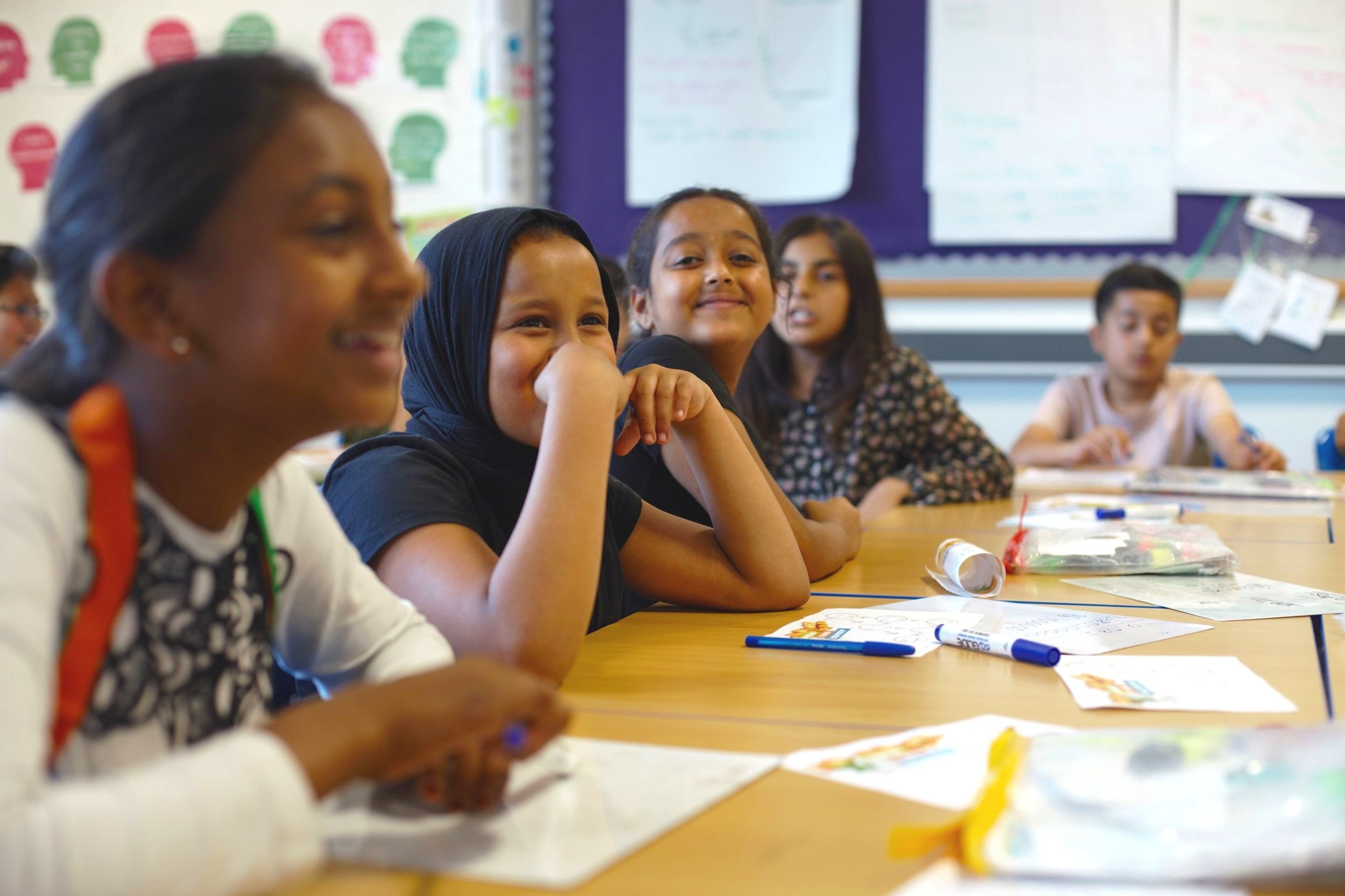
We are proud to deliver award-winning financial education lessons to primary-aged children via the KickStart Money programme, funding MyBnk expert-led financial education lessons — reaching 100 schools and 3,000 young people with lessons on managing money in our first year.
We are proud to be supported by 15 firms, who all believe in the benefits of primary-aged financial education. The Centre has met with over 30 stakeholders, representing different organisations, charities and stakeholders based in the UK and internationally.
The Centre has been campaigning Government for greater investment into primary school financial education, holding many meetings with Government departments and cross-party MPs and Ministers. The Centre, and the KickStart Money programme, have over 50 cross-party supporters in Parliament.
As a collective forum for stakeholders, TCFC convenes key organisations, charities, business leaders, MPs and civil servants to discuss the merits and ways of financing primary financial education via the Dormant Assets Scheme, and presents these ideas to Government.
We are working to promote further innovation and evaluation in primary financial education to provide a variety of delivery models. In 2022, TCFC played a key role in co-funding and launching the UK's first multi-year study into the effectiveness of financial education, in partnership with RedStart, a leading financial education charity, and King's College London.
All primary children to receive a high-quality and effective financial education of some form by at least 2030 — building financial education into the national curriculum at primary level with assessment, following the Bikeability model.
Give teachers access to the resources and support they need to deliver financial education, such as tools and resources, CPD opportunities and in-school mentoring support.
Include financial education in the school inspection framework to encourage its delivery, based on a robust and consistent definition of "high quality" and "effective" — assessed through Outcomes and Evaluation Frameworks, Educational Assessments or OFSTED.
Use unclaimed assets unlocked from the savings and investment sector to fund the development and delivery of financial education for primary-aged children, alongside continued contributions and donations from financial services.
The predecessor to the Centre for Financial Capability, KickStart Money is a coalition of 19 savings and investment firms with a vision to ensure every primary-aged child receives a high-quality and effective financial education. The coalition was brought together in 2017 in response to ground-breaking research by the Money and Pensions Service that found attitudes towards money and financial habits are formed as early as 7.
KickStart Money contributed over £1 million to fund the delivery of financial education to almost 20,000 primary school children, delivered by the charity MyBnk. The coalition also funded three year-long evaluations of this programme that prove the benefits of financial education at a primary level: 2 out of 3 primary-aged children who received KickStart Money funded financial education were working towards a savings goal after receiving lessons — nearly double the national average.
A financial education programme designed to help set positive money habits and mindsets from an early age. Expert MyBnk trainers deliver live and secure lessons in school as pupils complete activities in class, combined with teacher resources and family challenges. The programme consists of an assembly and three sessions, differentiated for Lower KS2 (7–8 year olds) and Upper KS2 (9–11 year olds).
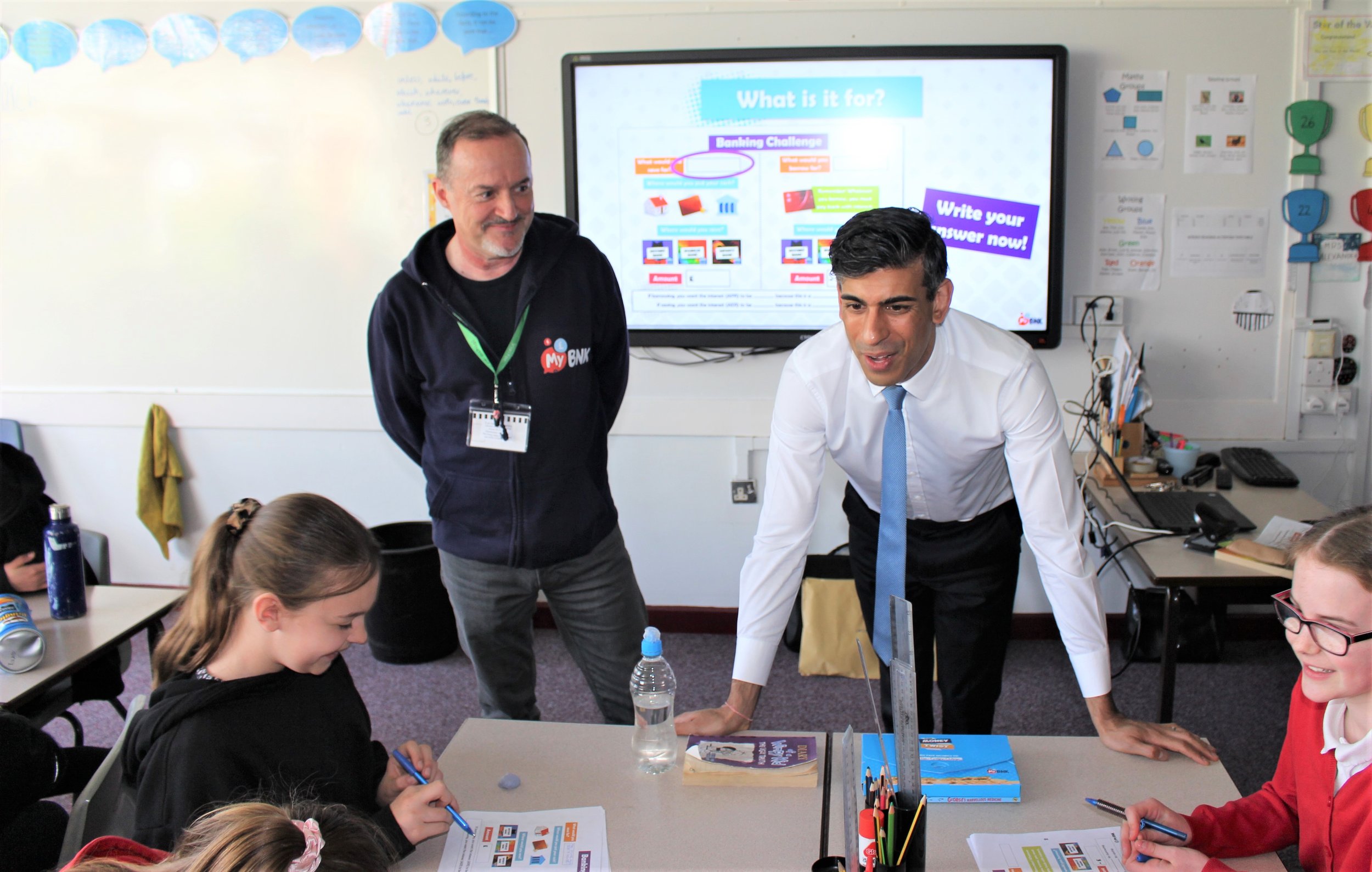
In response to the national lockdown brought about by COVID-19, KickStart Money funded the development of free online financial education provision for children aged 5–11, delivered by MyBnk via live sessions over secure video-link for schools unable to host physical sessions.
A free online financial education programme which can be completed at home by children aged 5–7 with the support of a guardian, and aged 7–11 independently. Sessions cover where money comes from, everyday costs, needs and wants, and tracking spending and saving.